The Cost of Overlooking Workplace Services
Innovate & Integrate
Hospitality Isn’t Soft: The Business Case for Employee Experience Services
Somewhere in an office right now, a software engineer is on hold with a facilities vendor. A national director is losing their patience trying to connect the right cable to their laptop in the conference room, because it never works correctly.
An executive assistant is directing a guest from the lobby because their entry wasn’t quite clear.
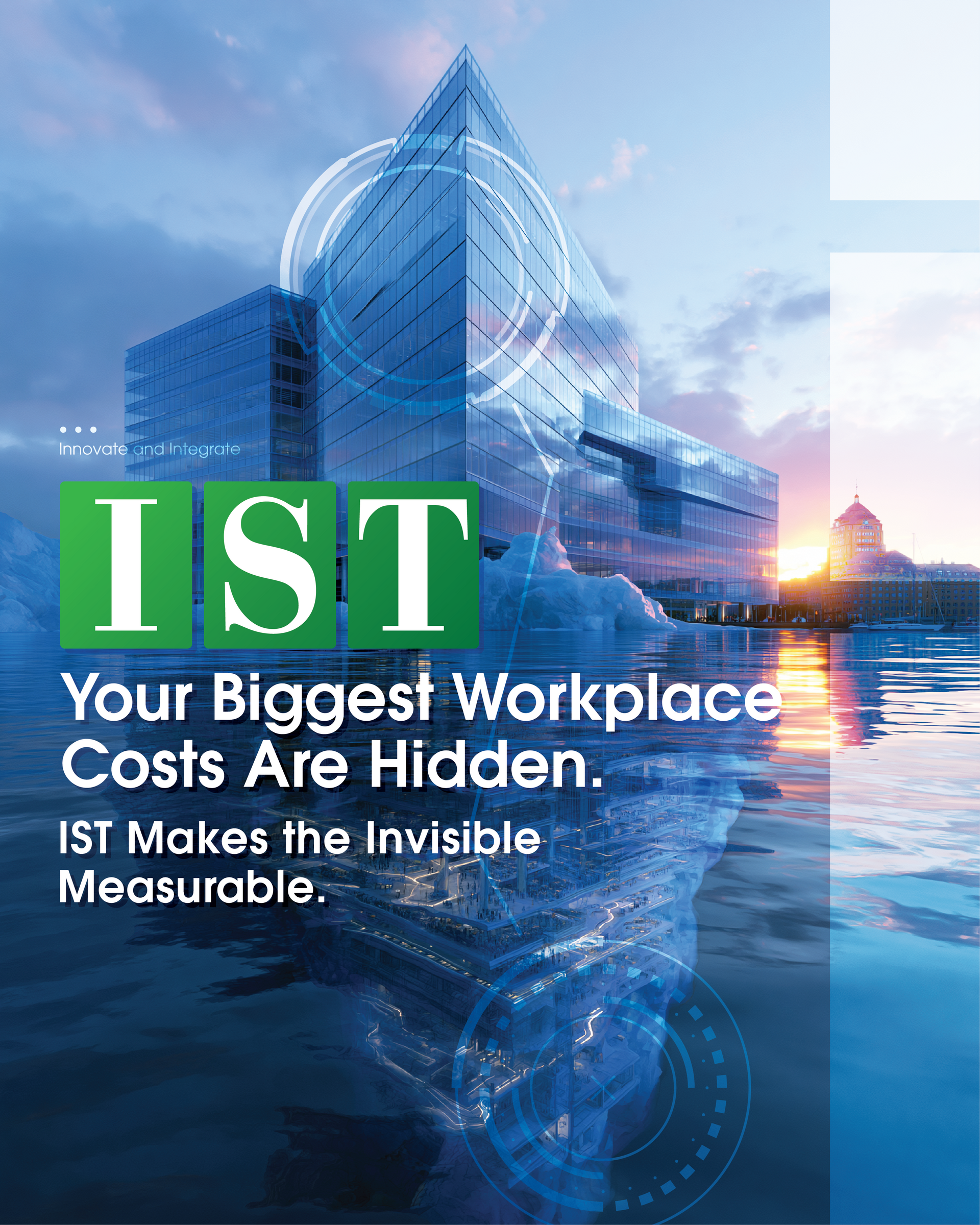
None of these issues appear clearly on a budget line, but it all adds up and becomes the hidden productivity tax. When budgets tighten, the employee experience, through the lens of hospitality, is often the first to go. What if workplace experience is your most expensive blind spot?
The services that shape how it feels to work at your company get cut first because no one ever puts a number next to them.
The Issue: The “Soft Cost” Fallacy
The reason these services can be so hard to define is that their value can be implied, not defined. Cutting or overlooking employee experiences doesn’t remove costs but rather relocates them.
- Disengaged employees don’t file complaints; they quietly leave.
- Frustrated teams don’t send invoices; they lose hours of productivity.
- Dysfunctional conference rooms don’t flag themselves; they sit underused while your lease continues.
Individually each of these issues are easy to overlook, but together they compound into real resources mismanaged.
Experience as an Operating System, Not an Amenity
Introducing the reframe worth keeping in mind: IST’s Workplace Services aren’t simply hollow gestures layered on top of your operations.
When appropriately addressed, the key to long-term savings is the operating system at the base that keeps meetings moving, visitors happy, and workers focused. Hospitality feels soft because most organizations depend on goodwill rather than structure in these moments. Things work when the right person is at the front desk and fall apart when they need a sick day. Inconsistency makes these operational frictions fall through the cracks.
IST’s model is built to remove the guesswork on three fronts:
- People — Hospitality professionals who anticipate clients' needs instead of reacting to them. Always one step ahead, our talent is sourced from diverse backgrounds with years of experience and attend structured employee training and education programs like PACE and SMART, ensuring a deep understanding of our 5-star service standard across the board.
- Technology — IST Suite (Visitor Management, IST Confirm conference room management, Space Planning, Copy Track, Work Orders, and more all with real-time reporting) turns “we think this functions at a high level consistently” into data you and your teams can track.
- Agility — Staffing and support strategies that flex with occupancy, events, and daily demand, prepared for every adjustment.
People, technology, and agility working in tandem is what transforms hospitality from a cost you defend into results you can clearly point to.
The Translation: Soft Functions, Hard Outcomes
- Retention You Can Count On. Engaged, well-supported workforces show roughly 41% lower absenteeism and 17% higher productivity.
- High Value Hours No longer Wasted. Centralizing requests and hiring proactive team members allows your most qualified leaders to strategize instead of being distracted by tasks under their pay grade.
- Real Estate Working Harder. Organized, efficient use of conference rooms and office space through IST Confirm, Work Order, and Space Planning leads to higher utilization.
- Visibility that Speaks for Itself. With the IST Suite dashboard, response times, space utilization, service activity, meeting volume, and visitor management are tracked and reported, not just assumed.
Each of these examples is a number waiting to be counted. Here’s what surfaced for one organization who finally decided to look at employee experience and Workplace Services differently.
The Numbers That End the Debate
For one enterprise client, unmanaged meetings were quietly draining resources, causing scheduling conflicts, delayed room setup, and ultimately mounting overtime.
After implementing IST Confirm and introducing structured hospitality workflows:
- Meeting volume rose from 600 to 700 meetings per week. With accurate and timely scheduling and no double-booking, the original number of rooms were able to allow for more meetings a week, without increasing space.
The Benefit: More capacity for growth, with zero added footprint.
- Conference rooms dropped from 50 to 35. When every inch of space is used efficiently, it takes fewer rooms to handle equal or more meetings. Freed rooms can then be repurposed or removed from the lease.
The Benefit: Reclaim space and save on real estate.
- Overtime costs fell by 70%. Ensuring setup, catering, and technology run well and through one coordinated system means employees stop staying late due to preventable roadblocks.
The Benefit: Direct labor savings and less burnout.